Also on the truck · Eastside
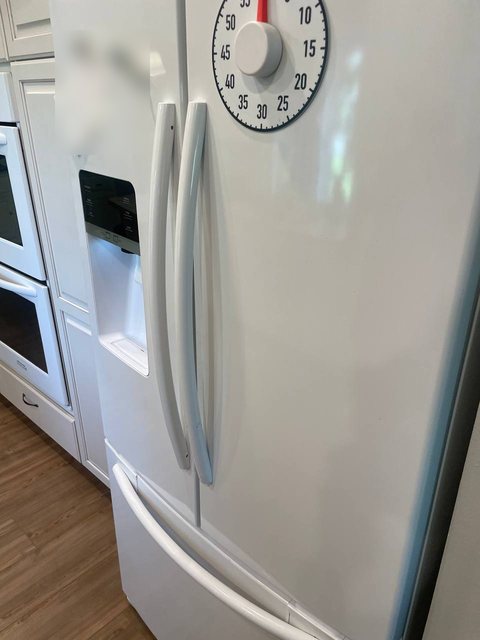
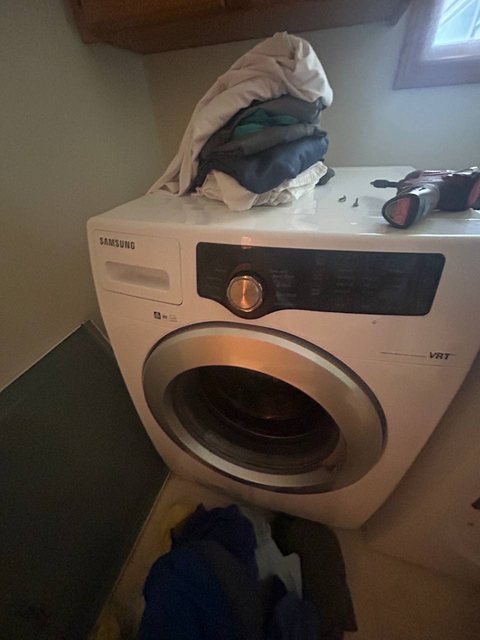
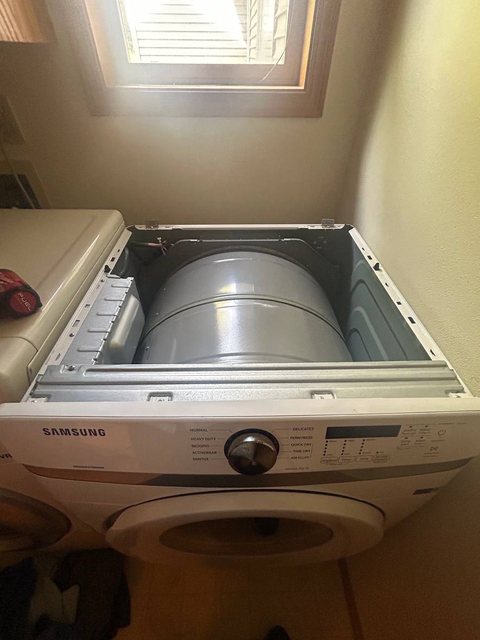
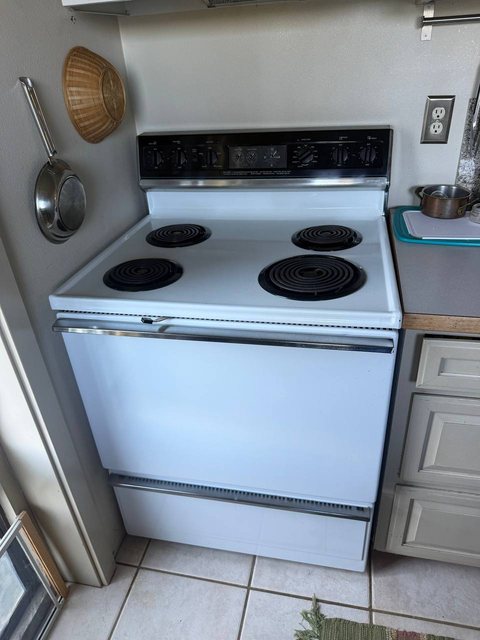
The other five
$99 to diagnose, one written figure, printed coverage — the same for every machine we take in Eastside.
Eastside kitchens were built before dishwashers were standard, so the machine was squeezed in later, plumbed to an old sink drain and wired to whatever circuit was closest.
Weekdays 7:30–5:30 · Saturday 9–1 · closed Sunday · Woodland Square Loop, at the Olympia–Lacey line
$99 to diagnose, one written figure, printed coverage — the same for every machine we take in Eastside.
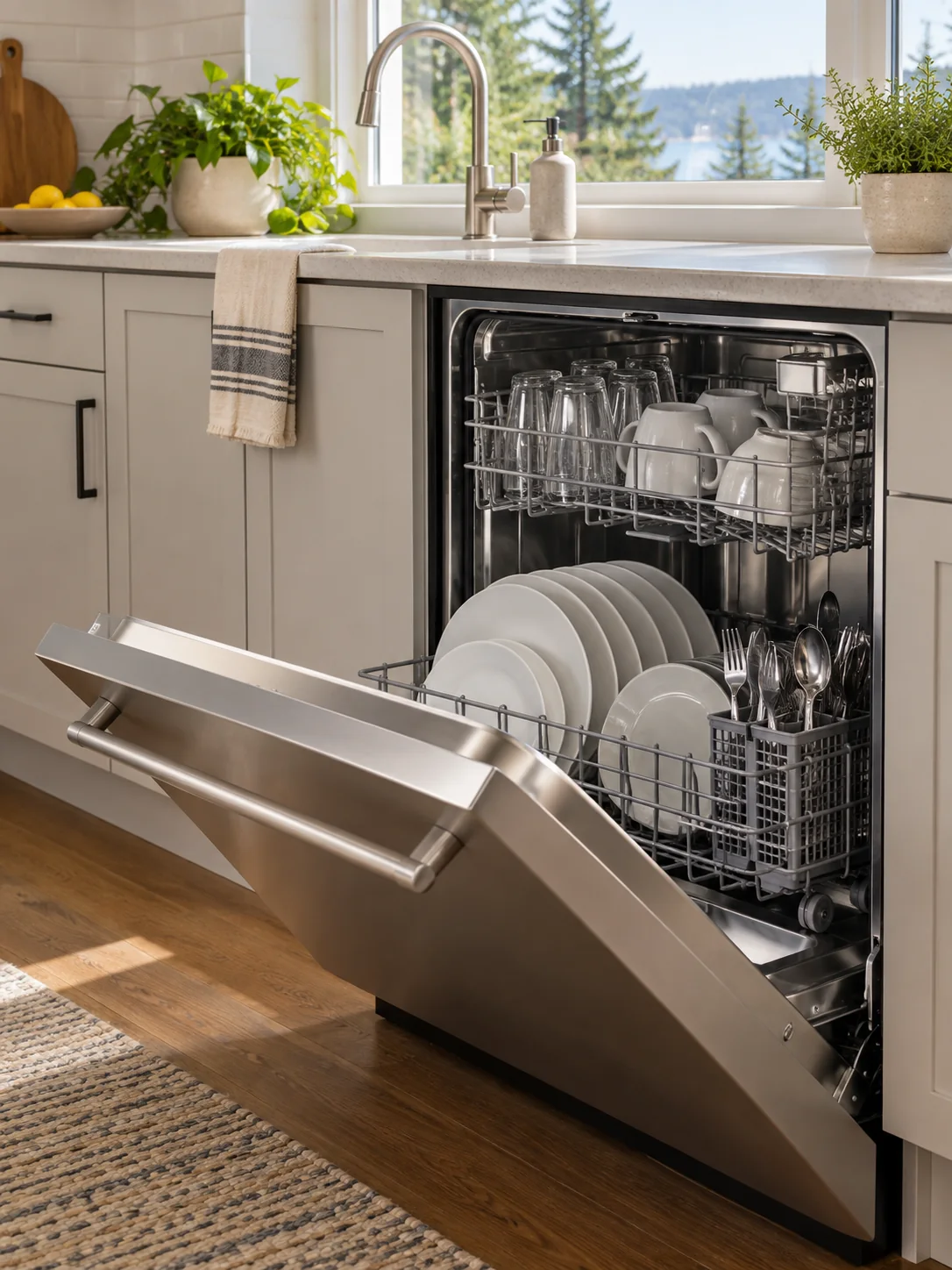
In a 1940s house on Puget St, the dishwasher went in during a 1990s remodel, into a cabinet opening that was an inch too short, with a drain hose run flat to the sink trap and a power cord plugged into the disposal's outlet. Thirty years on, that machine has been replaced once and the plumbing never has. The new dishwasher inherits every shortcut.
We take those shortcuts into account. Before condemning a pump or a board, the technician looks at how the drain is routed, what the circuit is carrying, and whether the water reaching the inlet valve is bringing rust flakes from an old galvanized line along with Olympia's moderately hard supply.
Drain hoses in older Eastside installs often run straight and low into the sink tailpiece, so dirty sink water flows backward into the tub and the pump fights gravity. We test the drain pump and check valve, then correct the hose to a proper high loop or air gap. Half of these calls end with a hose rerouted rather than a part replaced.
Many Eastside dishwashers share a 15-amp circuit with a disposal and sometimes a countertop outlet. When the dishwasher heater kicks on while the disposal runs, the breaker goes. We meter the heater for a short to ground, look over the junction-box connections, and tell you whether the dishwasher is faulty or the circuit is simply asked to do too much.
Scale from city water plus rust from old supply pipes packs the spray arm nozzles and the filter. Dishes come out gritty, glasses turn cloudy, and the pump strains. We clear the arms, clean the sump filter, descale the heater, and inspect the inlet screen for debris. A filter on the supply is a plumber's job; we will tell you if it is warranted.
A door gasket that has flattened, a tub that sits out of level in a too-short opening, or a tall pan deflecting the spray arm all send water past the door. We check the gasket, level the machine on its legs, and inspect the lower door seal. Fir floors stain fast, so we also peer beneath the toe-kick for signs of long-standing water.
The door springs and cables on an older dishwasher stretch and snap, so the door slams down onto the floor and the lower rack rolls off its track. We replace the springs and cables as a set, check the hinge pins, and put new rollers on the racks if the old ones have cracked. Small parts, big difference to a knee.
When a plumber replaces a section of old galvanized pipe in the basement, loosened rust travels to the nearest small screen, which is the dishwasher's inlet valve. The machine hums but never fills. Valve and screen get cleaned or replaced, flush the supply line, and test the float switch, which can stick after a period of sitting dry.
The $99 diagnostic pays for a technician and a meter at your dishwasher plus a written repair figure with the culprit spelled out. Approve the repair and that $99 disappears into the figure; decline and it stands as the total for the trip. Repair prices are never quoted over the phone or listed on this site, because a drain hose and a control board have nothing in common.
A fair number of Eastside dishwashers belong to landlords with a converted bungalow or a duplex off San Francisco Ave. The tenant gives access, the owner texts approval, and the owner's inbox gets the invoice with its printed warranty term. Door codes are deleted when the job closes. If the maker's coverage still applies to a newer machine, you hear about it first.
Because nothing in the drain hose rises above the sink, no high loop and no air gap, so water from the sink drain flows backward into the tub. This is the most common retrofit mistake in older Eastside kitchens. We reroute the hose up under the counter and secure it, which stops the backflow and often fixes a slow-drain complaint at the same time.
We find out with a meter. A heater or pump with a short to ground will trip a breaker on any circuit; a healthy dishwasher on a circuit shared with a disposal and a toaster will trip it only when everything runs at once. If the machine tests clean, an electrician is the right call and we will say so.
Yes, though it takes more care. We lower the leveling legs, protect the counter edge, and slide the unit forward on a runner. If the opening has trapped the machine so tightly that it cannot come out without cabinet work, we tell you before forcing anything and repair what we can in place.
It is moderately hard, with some manganese, which is enough to scale the heater and clog spray arm nozzles over a few years. Rinse aid and an occasional descaling handle most of it. Where an old galvanized supply adds rust, the inlet screen needs checking too, and we do that on every fill complaint.
Your tenant provides access, we run the diagnosis, and you as owner text us approval of the written figure. We complete the repair, email the invoice with the printed warranty term to the owner, and remove any access code from our records when the job closes. The tenant never sees the figure unless the owner wants them to.
The price goes on paper before a screw comes out.
Ring or use the form; a phone photo of the display or the model sticker saves a step. We ring back with an arrival window and text again as the van pulls off Woodland Square Loop.
The technician tests the suspect part with instruments, tells you in plain words what gave out, and writes the repair down as a single price. Your $99 is already inside that number.
Fill valves, defrost heaters, igniters, drum rollers, drain pumps, relays — the things well water, salt air and PSE outages wear out on this shore of the inlet. If we have to order something, the second trip is ours to make, not yours to pay for.
You watch the machine finish a whole cycle, the kick panels and the floor go back the way they were, and the warranty term is typed onto the invoice.
Tell us over the phone. For $99 a technician tests the machine and writes the repair down as one price with that $99 folded in, and the invoice carries the warranty term in print.