Also on the truck · Olympia
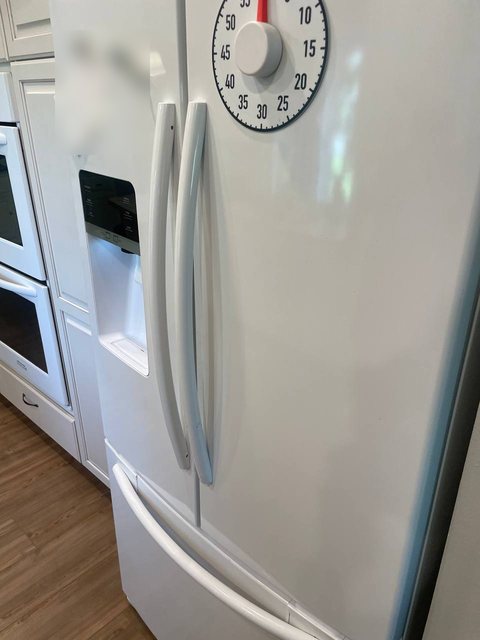
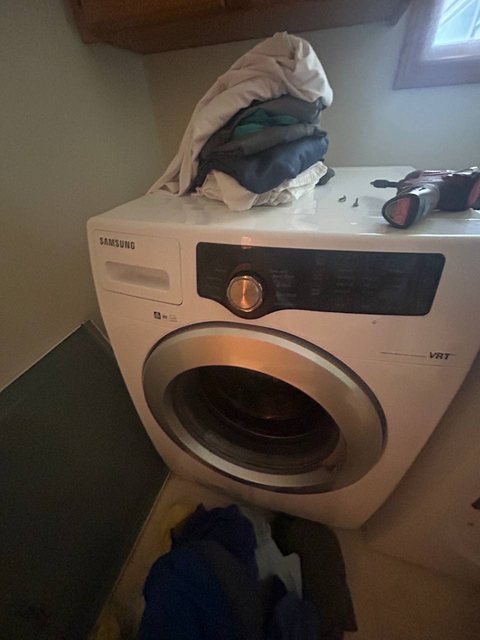
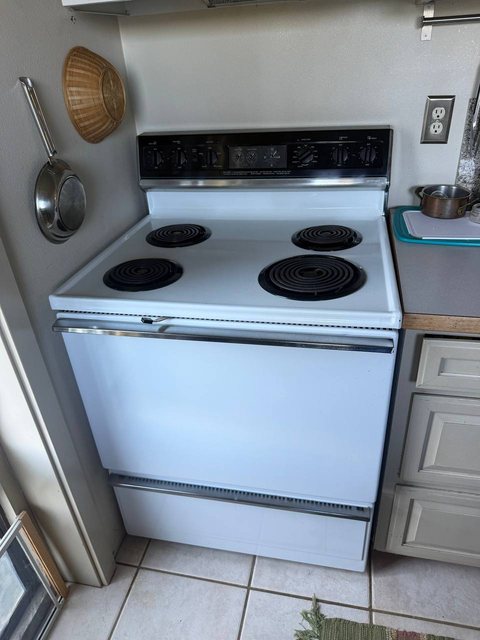
The other five
$99 to diagnose, one written figure, printed coverage — the same for every machine we take in Olympia.
Running a dryer twice per load burns money in a climate where it works nearly every day from October to May.
Weekdays 7:30–5:30 · Saturday 9–1 · closed Sunday · Woodland Square Loop, at the Olympia–Lacey line
$99 to diagnose, one written figure, printed coverage — the same for every machine we take in Olympia.
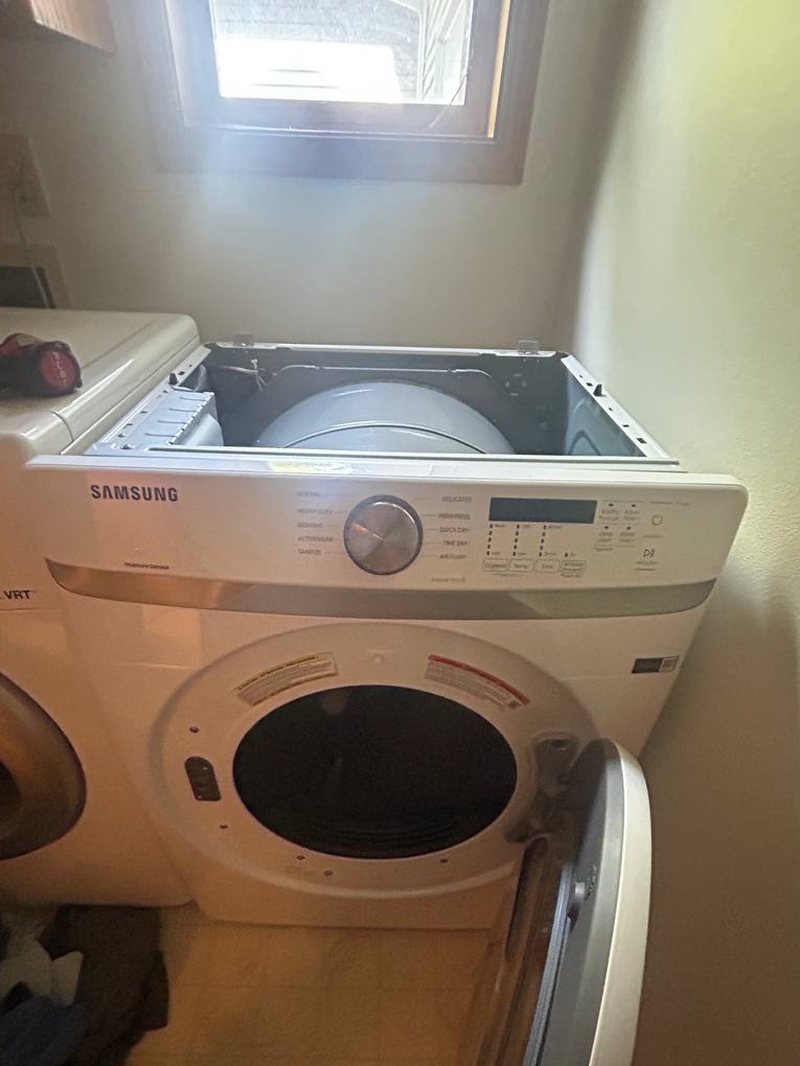
Nine damp months a year make Olympia dryers work harder than most, and their vents are often the real problem. Waterfront houses on Eld Inlet and Budd Inlet route the exhaust under decks and across crawl spaces to reach an outside wall; downtown condos push it through a long chase; older Eastside basements terminate it who knows where. Lint packs these runs until a dryer that heats perfectly still returns towels heavy.
Then there is fuel. In the city, gas dryers run on PSE natural gas. Beyond the city line, on Steamboat Island, at Summit Lake, around Black Lake and along Delphi Road, propane feeds them, and a dryer converted carelessly between the two burns yellow, sooty and cool. We know the difference and carry orifices for both.
The dryer runs its whole timer, gets warm, and the towels are still wet. Before blaming the machine we gauge how much air is leaving the exhaust, because a vent under a Cooper Point deck or through a downtown condo chase is often mostly lint. If air moves well, suspicion shifts to a weak element, a lazy gas valve coil or moisture-sensor bars glazed by dryer sheets.
Cold tumbling on an electric dryer nearly always traces to the element, a thermal fuse, or half of the 240-volt feed having dropped out. After a PSE windstorm, half of these are a tripped breaker on one leg or a burned terminal at the receptacle, and the dryer itself is fine. We check the outlet voltage before opening the cabinet, then test the element and fuses in order.
A gas dryer whose flame drops out after a short burn has a valve coil giving up under heat, a classic failure on units past eight years old. If flame never appears, the igniter or flame sensor is the usual suspect. On propane machines around Summit Lake and Griffin, we also confirm the orifice matches the fuel, since a careless conversion mimics several of these faults.
A motor that hums and a drum that stays put usually means the belt has snapped, though a seized drum roller or a foreign object jammed between drum and bulkhead produce the same stall. We pull the front, replace the belt with the tensioner and rollers if they are worn, and rotate the drum slowly to feel for flat spots before closing it up.
Dryer noise has a vocabulary. A high squeal is a dry drum roller or idler pulley bearing; a steady thump is a flattened roller or a stiff section of belt; a metallic scrape is a drum glide worn to bare metal. Older houses in South Capitol and the Eastside often have twenty-year-old dryers making all three, and a full roller and glide kit restores them to quiet.
A machine that starts, runs briefly and stops on its own is usually overheating and tripping a thermostat, or a moisture sensor is reading the load as already dry. The cause behind the overheat is almost always restricted airflow, whether that is flex duct pinched flat behind the machine or a vent hood on the outside wall matted shut. We test the sensor bars and clear the airflow path.
A dryer diagnosis is $99 anywhere inside our ring, from the Port to Summit Lake, with no mileage added. The technician tests the machine, tells you which part has failed and why, and writes down one repair figure. Accept it and the $99 that brought us out is already built into it. Judge the dryer not worth saving and $99 closes the account, while you keep a clear diagnosis to use when shopping.
The warranty term for the part and the work is printed right on the invoice. Ordered parts come back on a trip we schedule, and that trip is not billed. Coverage from the maker is checked first. Property managers with dryers in student rentals near Evergreen or condos downtown approve by text, receive the invoice by email, and never have to be present.
Venting, most of the time, especially at waterfront houses where the run goes under a deck or through a crawl space. We measure airflow at the machine's exhaust; if it is weak, the vent needs clearing before any part is replaced. If airflow is strong and the dryer still runs cool, the element, gas valve coils or a moisture sensor is at fault.
Yes. Propane dryers use a different orifice and gas pressure than natural gas units, and a machine converted incorrectly burns yellow, soots up the drum and produces less heat. We carry conversion orifices, check the burner flame color, and confirm the regulator is set correctly. Well water and long driveways do not add a cent to the visit.
An electric dryer heats only when both halves of its 240-volt circuit are live. After a windstorm, a breaker can trip on one side only, or a surge can open the thermal fuse. The motor runs on the surviving leg and the element sits cold. Check the breaker first; if it is fine, the thermal fuse or element has likely opened and needs testing.
For a day or two, generally yes, but a squeal is a bearing running dry, and a bearing that seizes can wear through a drum or burn a belt. If you smell hot rubber or the drum stops, unplug the machine. A hard thump or grinding, on the other hand, can mean a broken part is rubbing metal, and the dryer should sit until it is looked at.
We clear the vent as far as the dryer's own exhaust and the immediate duct behind it, and we are candid when the rest of the run is packed. A long run under a deck or through a chase may need a dedicated vent cleaning, and we prefer saying so to billing for a dryer repair that will not solve the problem.
The price goes on paper before a screw comes out.
Ring or use the form; a phone photo of the display or the model sticker saves a step. We ring back with an arrival window and text again as the van pulls off Woodland Square Loop.
The technician tests the suspect part with instruments, tells you in plain words what gave out, and writes the repair down as a single price. Your $99 is already inside that number.
Fill valves, defrost heaters, igniters, drum rollers, drain pumps, relays — the things well water, salt air and PSE outages wear out on this shore of the inlet. If we have to order something, the second trip is ours to make, not yours to pay for.
You watch the machine finish a whole cycle, the kick panels and the floor go back the way they were, and the warranty term is typed onto the invoice.
Tell us over the phone. For $99 a technician tests the machine and writes the repair down as one price with that $99 folded in, and the invoice carries the warranty term in print.