Refrigerators & freezers · Olympia-wide · same-day for a warm box
Refrigerator and freezer repair in Olympia, same day when food is at risk
A refrigerator that quits is the one appliance call that cannot wait, so a warm box goes to the front of the day, and same-day visits are often open anywhere from Steamboat Island to South Capitol.
- THIS PAGE Same-day for warm fridges
- ON PAPER one written figure after testing; say yes and the visit fee is already inside it
- SAME-DAY often open for a refrigerator losing cold · Open 8–7, Mon to Sat
Open 8–7, Mon to Sat · Sundays off · same-day visits often open, the shop confirms by phone · Woodland Square Loop, at the Olympia–Lacey line
Book a visit
Pick a day for the van
Three short steps: the machine, a day and an arrival window, then the address. The shop rings back to confirm, and the visit fee is quoted on that call.
- Pick the day and the window that suit you
- A call from the shop to confirm, no texts
- One written figure after testing, nothing started without your yes
- Visit fee folded into any repair you approve
Also on the truck · Olympia
The other five
One visit fee to diagnose, one written figure, printed coverage — the same for every machine we take in Olympia.
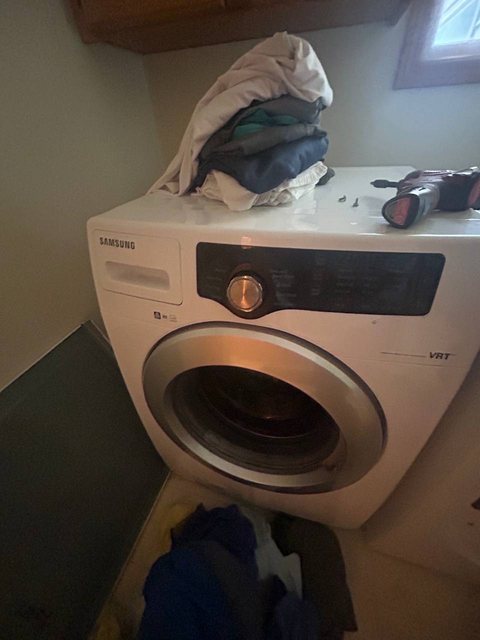
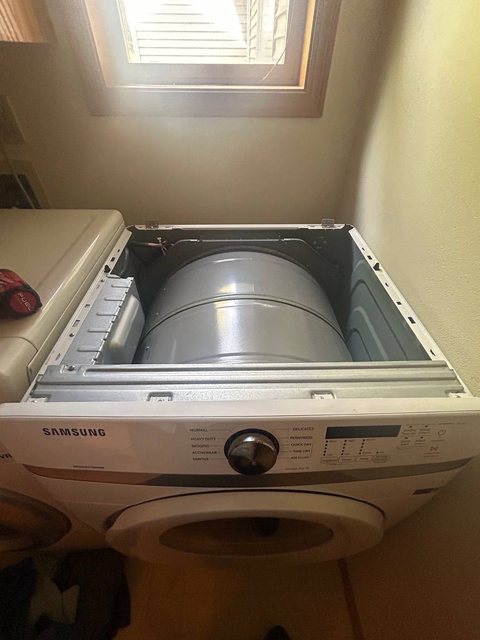
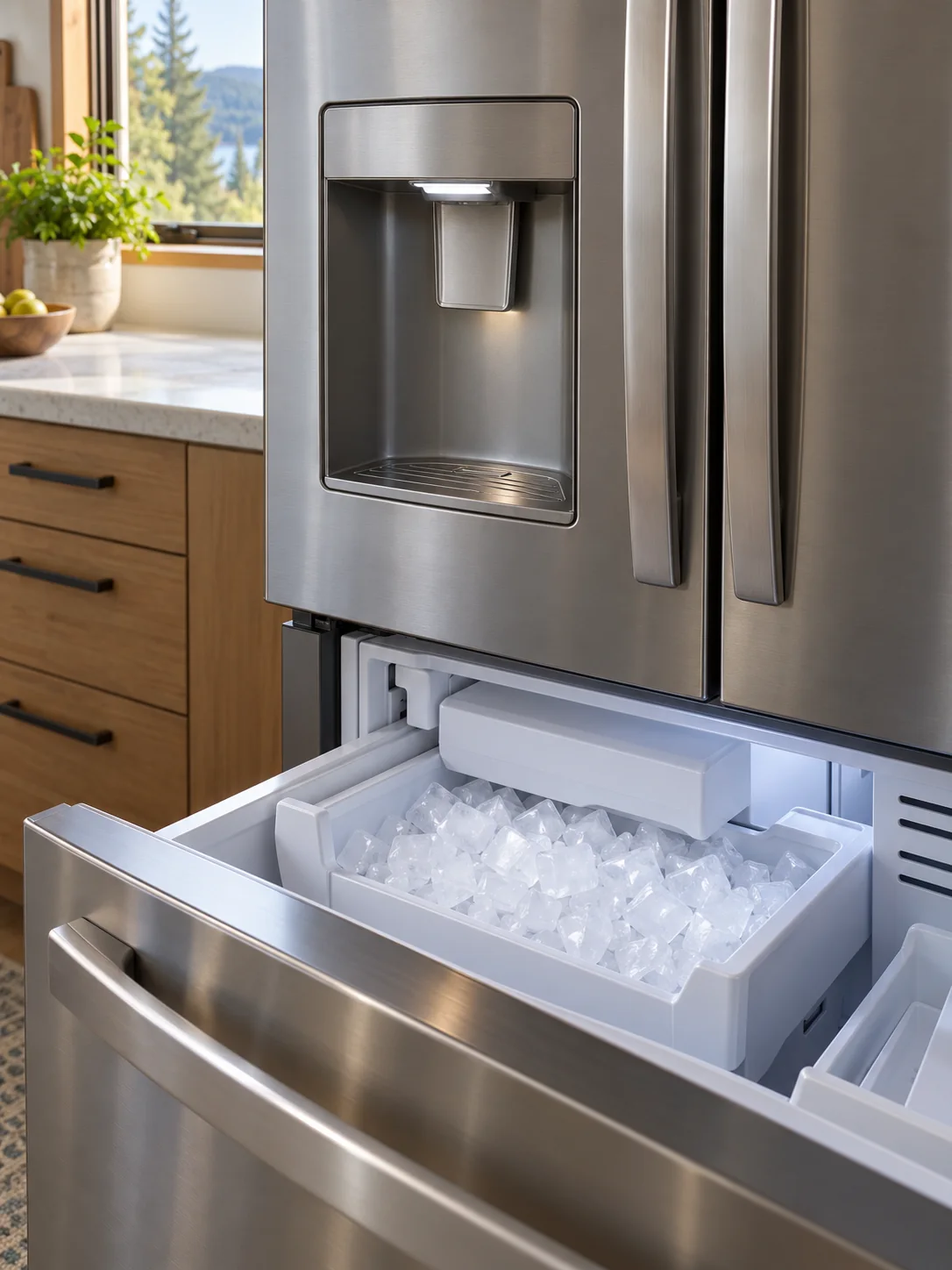
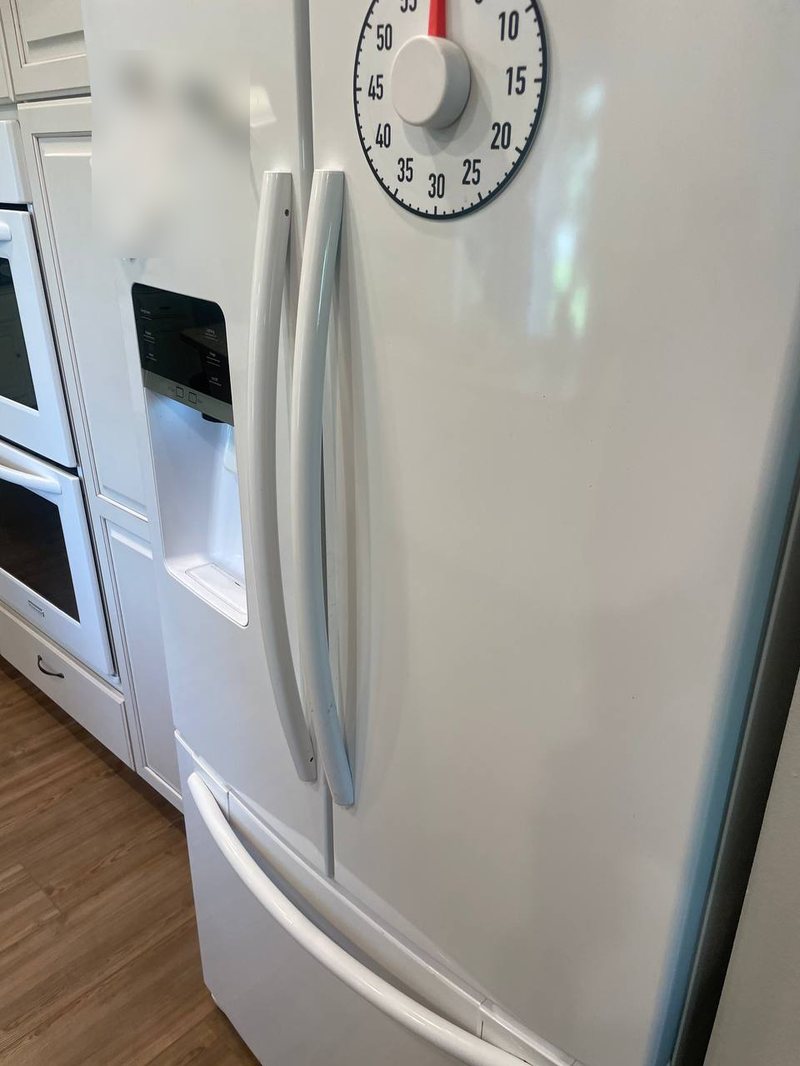
An Olympia fridge that warms on top while the freezer holds usually has a seized evaporator fan, a stuck damper or a frost-choked coil behind a dead defrost heater, and we fix all three from Steamboat Island to South Capitol. After a windstorm outage, a cooked start relay is common. We test with a meter and temperature probe first. With food at risk, same-day visits are often open; book online and dispatch phones back.
A warm refrigerator anywhere on the Olympia side of the Sound
Most refrigerator calls begin with a puddle: lukewarm milk, a softening freezer, water creeping across the kitchen floor. The box might be an aging side-by-side in a Cooper Point garage, a French-door model in a South Capitol Craftsman, or the spare unit in a Summit Lake cabin nobody has checked in a week. All of it is covered from the shop at the city's eastern edge, on the Lacey line, with no mileage line inside our ring.
Refrigerators fail for a short list of reasons, most of them fixable in one visit. A meter and a temperature probe sort out fairly quickly whether you are looking at a fan, a defrost fault, a control board or a sealed system, and you hear the verdict in ordinary words before any part leaves its box.
Refrigerator faults we handle around Olympia
Upper compartment warming while the freezer holds
This split is the refrigerator complaint we hear most often. Cold air is produced at the freezer's evaporator and pushed into the fresh-food side by a small fan; when that fan seizes or the damper between compartments sticks, the upper section warms while ice cream stays hard. A frost-choked evaporator behind a dead defrost heater looks identical from outside, so the back panel comes off before we name anything.
Refrigerator that would not restart after a power outage
Every November windstorm produces a wave of these the next morning, from Steamboat Island to the Eastside. Power flickers, the compressor tries to start against pressure, and the start relay or overload protector cooks. Now and then the control board drops its compressor relay instead. We test the compressor windings directly, replace the relay or board, and watch the box begin pulling down before leaving the driveway.
Water collecting under the crisper drawers
Water pooling at the bottom of the fresh-food section nearly always means the defrost drain behind the rear wall has iced shut. Each defrost cycle then melts frost with nowhere to go, and it runs forward into the drawers. We open the drain with heat, fit the maker's heated probe or updated drain kit where one exists, and inspect the pan and evaporator heater while the panel is off.
Second refrigerator in an unheated garage or shop
Cooper Point, Black Lake and Steamboat homes often keep a spare refrigerator in a garage or boathouse. When the space drops toward freezing in January, a single-thermostat unit decides it is cold enough, sits idle, and lets the frozen food soften. Some need a garage kit or heater strip; others have merely packed their condenser coil with sawdust and pet hair. We tell you which before you decide.
Paneled Sub-Zero and Thermador columns on West Bay Drive
Waterfront condos along West Bay Drive and downtown lofts often hold a paneled built-in that must be serviced in place. Sub-Zero units with twin compressors, Thermador columns and Miele integrated units have their own service positions, error histories and part numbers, and we carry the tools to reach them without pulling cabinetry. Salt air off Budd Inlet is unkind to condenser fans and coil fins in these buildings.
Loud fan, clicking or a buzz that comes and goes
A refrigerator that has grown noisy is announcing a failure before it arrives. A rattling evaporator fan usually has ice building against its blades, a squealing condenser fan has a dry bearing, and a periodic click followed by silence means a compressor cannot get started. Each has a simple fix if caught early, and each becomes a warm refrigerator if ignored through a long stretch of wet weather.
How a refrigerator visit runs
- A warm refrigerator goes to the front of the day; other calls scheduled inside the week
- Compartment temperatures, compressor amperage and fan operation measured before anything is opened
- The failed part identified and explained, then a single written figure for the complete repair
- Common relays, fans, thermistors, gaskets and defrost parts stocked on the truck for same-visit completion
- Maker coverage checked first and disclosed if it still applies to your unit
What the diagnostic visit covers and how the figure works
The trip and the diagnosis together carry one visit fee, which we name when you book. That buys a technician at the refrigerator with a meter, a clear explanation of the failure, and a single repair figure in writing. Approve the work and the fee becomes the opening installment of that figure instead of a separate charge riding alongside it. Decide against the repair and your total stops at the visit fee, along with a candid opinion on whether replacement makes more sense.
Every invoice carries a printed warranty term covering the part and the work. If a component has to be ordered, the follow-up trip rides on our calendar and never shows up as a line on your invoice. Landlords and second-home owners at Summit Lake or Steamboat approve by phone or email, get the invoice by email, and know a gate code is held only until the job closes.
Asked in Olympia
How quickly do you reach a refrigerator that has gone warm?
Call Monday through Saturday and a warm refrigerator goes to the front of the day, with same-day visits often open anywhere within our ring around Olympia, Eastside to Steamboat Island. Move perishables into a cooler, keep door openings to a minimum, and leave the unit powered unless it keeps tripping a breaker; a compressor we can watch trying to run tells us more than a dead one.
Should I repair a refrigerator that is past ten years old?
Often yes. Fans, relays, defrost heaters, thermistors and gaskets are inexpensive parts with a long life ahead of them once replaced, and a well-built box from the 2000s can run another decade. The exception is refrigerant loss or a seized compressor in a budget model, where we will say plainly that new is the wiser purchase.
Why does my refrigerator run constantly and still feel warm?
Nonstop running usually points at the condenser side. Coils under or behind the cabinet fur up with dust and pet hair in damp garages and older houses, the condenser fan slows, and the compressor can no longer shed heat. Low refrigerant charge, a leaking door gasket and a frosted evaporator produce the same nonstop run, so we measure rather than guess.
Do you work on refrigerators in garages, shops and boathouses?
Yes, and we see many of them on the acreage around Cooper Point, Mud Bay and Steamboat Island. Garage refrigerators live a harder life: cold winters confuse single-thermostat controls, sawdust clogs coils, and the GFCI outlet feeding them opens during storms. We service them where they sit and can add a garage kit when the maker offers one.
What happens if my refrigerator is still under the manufacturer's coverage?
We check the serial number and the purchase date before anything is spent. If the maker still covers the failed part or the sealed system, we tell you so and explain how to file, even though that sends the job elsewhere. Paying an independent shop for work a manufacturer would have covered is a poor outcome, and we would rather earn the next call.
Code sheets for this machine
Refrigerator & Freezer Repair by area
How a visit runs
Four stages, none skipped
The price goes on paper before a screw comes out.
- 01
Tell us what it is doing
Ring or use the form; a phone photo of the display or the model sticker saves a step. The shop calls you back to set an arrival window, and once more as the van pulls off Woodland Square Loop.
- 02
Readings first, opinions second
The technician tests the suspect part with instruments, tells you in plain words what gave out, and writes the repair down as a single price. The visit fee is already inside that number.
- 03
Most parts ride in the van
Fill valves, defrost heaters, igniters, drum rollers, drain pumps, relays — the things well water, salt air and winter outages wear out on this shore of the inlet. If the part has to come in by order, the return trip is on us.
- 04
A test run, then the invoice
You see a full cycle run start to finish, the kick panels and floor go back the way we found them, and the warranty term is typed onto the invoice.
Refrigerators and freezers in Olympia: read us the symptom.
Tell us over the phone or book a day online. A technician tests the machine and writes the repair down as one price with the visit fee folded in; your invoice spells out the warranty term.