Also on the truck · Downtown & the Capitol
The other five
$99 to diagnose, one written figure, printed coverage — the same for every machine we take in Downtown & the Capitol.
Condo and loft refrigerators between the Capitol campus and Percival Landing, from counter-depth French-door units to the compact model tucked under a 4th Ave storefront kitchen.
Weekdays 7:30–5:30 · Saturday 9–1 · closed Sunday · Woodland Square Loop, at the Olympia–Lacey line
$99 to diagnose, one written figure, printed coverage — the same for every machine we take in Downtown & the Capitol.
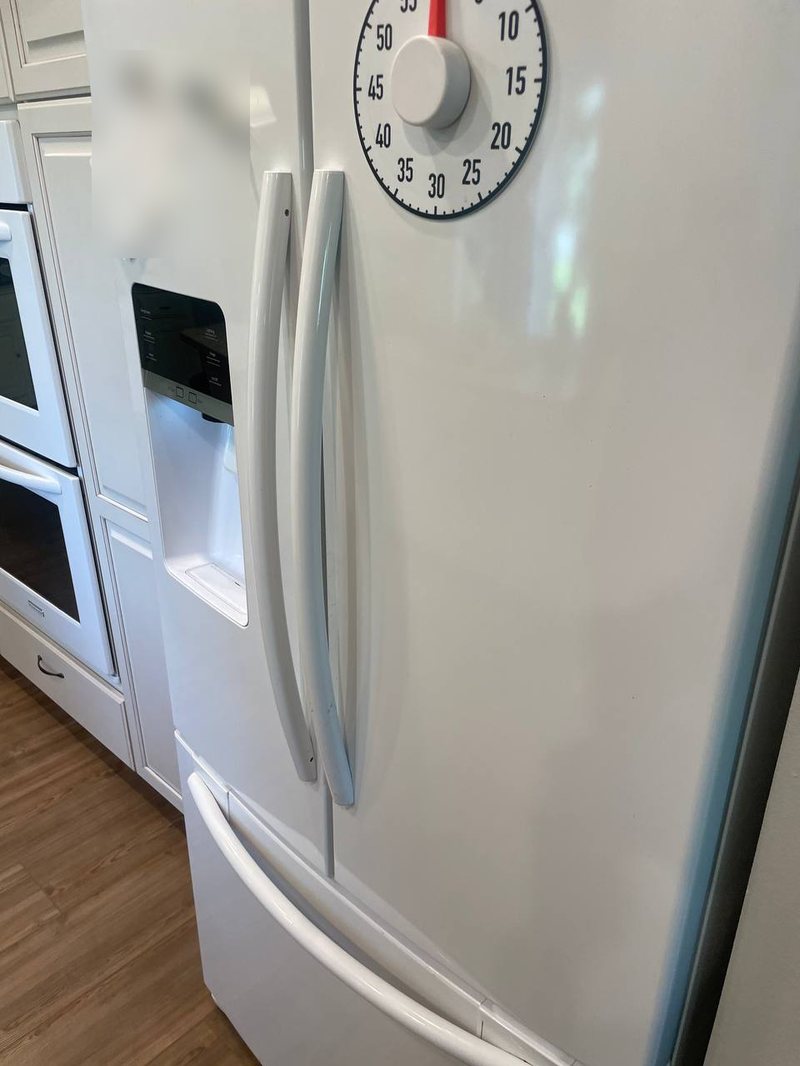
A refrigerator in a Capitol Way condo lives a harder life than it looks. It is usually a counter-depth unit boxed into cabinetry with an inch of clearance on each side, the condenser breathing whatever dust the hallway HVAC pushes in, and the compressor cycling in a room that stays warm because the windows face the afternoon sun off Budd Inlet.
We work these buildings every week, from the lofts above 4th Ave to the newer stacks near the Farmers Market. Bring us a fridge that is warming, sweating, or clicking, and a technician shows up carrying a thermometer and a meter, plus the door-clearance patience it takes to pull a built-in without scarring the floor.
This is the classic call from a condo kitchen. The freezer reads fine, the milk is not. Nine times in ten the evaporator fan has stopped or the defrost circuit has let frost seal the airway between compartments. We test the fan under load, check the defrost heater and thermostat with the meter, and clear the frost so cold air moves again.
When the compressor tries, clicks, and quits, the start relay or overload has usually given out, frequently in the days after a PSE outage rolls across the downtown grid. Relay and compressor windings both get metered before anyone mentions the sealed system, since a relay is an easy afternoon while a compressor means weighing the age of the unit against the cost.
Meltwater from the defrost cycle is supposed to run down a drain tube into a pan by the compressor. When that tube clogs, the water backs into the fresh-food floor and eventually onto your hardwood. We clear the drain, thaw the tube, and check that the pan is not cracked, which matters when the neighbor's ceiling is directly below.
Open-plan lofts amplify every appliance sound. A condenser fan with a dry bearing or an evaporator fan brushing frost will roar at two in the morning. We isolate which fan it is, replace the motor if the bearing is gone, and trace whatever frost let the blade drag to begin with, because a new motor in an iced-up housing does not last.
Built-in and counter-depth units pull air through a toe-kick grille that nobody cleans because nobody sees it. Once the coil mats over, compressor run times stretch, the cabinet heats up, and temperatures drift. We pull the unit, clean the coil and fan, and check the running amps afterward to confirm the compressor has settled back to normal.
Older French-door units downtown often have a gasket that has hardened or torn at the hinge corner. The symptoms are sweat on the door frame, frost in the freezer, and a compressor that never rests. We test the seal, replace the gasket if it has failed, and adjust hinges so the doors close square without slamming.
The diagnostic is $99, covering a technician with a meter at your refrigerator, the failed component named without jargon, and one repair figure on the work order. Say yes to that figure and the $99 has been baked in; say no and the trip costs $99, no more. Should your unit still fall under the maker's coverage, you hear about it from us before spending anything.
Downtown buildings run on logistics. We take approval by text from a manager or an owner at a state desk across the street, email the invoice, and hold a garage or lobby code only until the ticket closes. The warranty term is printed on it. Hours are 7:30 to 5:30 on weekdays and 9 to 1 on Saturday, and a refrigerator that is warm before noon is a same-day call.
Yes. We bring furniture sliders, cardboard for the floor, and a no-pry method for the anti-tip bracket. Most counter-depth units slide forward once the toe-kick is removed and the water line is disconnected. If the cabinet was built after the unit was installed, we will say so before forcing anything and talk through options.
Usually not. Outages and the surges that follow them tend to kill the start relay or a board relay, both parts we stock or source quickly. Compressor windings get tested first, so before approving any repair you know whether the machine merits one. Most do.
Only where water enters it. The moderately hard water from the McAllister Wellfield slowly scales the fill valve and the dispenser line, which is really an ice-maker and dispenser question. The cooling side is unaffected. If you notice slow dispensing or small cubes, that is worth mentioning when you book.
The building manager or owner approves the figure by text, we complete the work, and the invoice goes by email with the printed warranty term on it. We do not keep keys, and we drop any door or garage code from our records as soon as the job closes. Tenants only need to be present for access.
Then we will say so plainly, along with the age of the unit and an honest view of sealed-system work versus a new refrigerator. A repair that does not pencil out is not one we will push. You will have the $99 diagnosis in hand and a clear figure to compare against a new refrigerator before deciding.
What each code usually points at, what is safe to check, and where to stop.
OPEN THE CODE SHEET →SY EF · SY CE · OPWhat each code usually points at, what is safe to check, and where to stop.
OPEN THE CODE SHEET →The price goes on paper before a screw comes out.
Ring or use the form; a phone photo of the display or the model sticker saves a step. We ring back with an arrival window and text again as the van pulls off Woodland Square Loop.
The technician tests the suspect part with instruments, tells you in plain words what gave out, and writes the repair down as a single price. Your $99 is already inside that number.
Fill valves, defrost heaters, igniters, drum rollers, drain pumps, relays — the things well water, salt air and PSE outages wear out on this shore of the inlet. If we have to order something, the second trip is ours to make, not yours to pay for.
You watch the machine finish a whole cycle, the kick panels and the floor go back the way they were, and the warranty term is typed onto the invoice.
Tell us over the phone. For $99 a technician tests the machine and writes the repair down as one price with that $99 folded in, and the invoice carries the warranty term in print.